Disc Electrodes for Electroporation
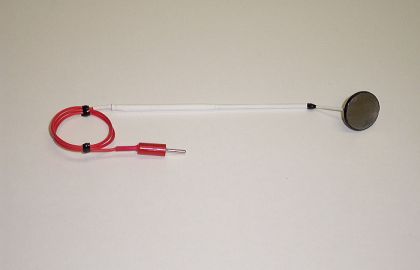

The product includes the following:
– A platinum disc electrode mounted at the tip of a holder rod
– A platinum disc electrode mounted on a Petri dish
.
Product Introduction and Components
This package includes disc electrodes specifically designed for conducting electroporation processes in advanced biomedical research. The set consists of two electrodes: a platinum disc electrode mounted at the tip of a rod, and another platinum disc electrode embedded in the bottom of a Petri dish. This dual design allows for the creation of a uniform and controlled electric field in cell or tissue cultures when connected to an electroporation device. This product has been developed with the needs of professional researchers in mind and is an ideal tool for university and industrial research laboratories in the fields of tissue engineering, cellular biology, developmental biology, and bioelectrics. These electrodes are fully compatible with electroporation devices manufactured by Pars Tarava (the first electroporation device manufacturer in Iran) and feature standard electrical connectors to the device’s output.
.
Technical Specifications
.
- Material: Both electrodes are made from pure platinum with biomedical grade, providing high electrical conductivity and chemical stability. Platinum is ideal for biological applications due to its excellent resistance to corrosion and chemical neutrality.
- Dimensions: The larger electrode is a platinum disc with a larger diameter and standard thickness, mounted at the tip of a conductive rod. The smaller electrode is positioned in the bottom of a Petri dish, securely placed in a ring frame that ensures mechanical stability and appropriate distance, ensuring uniform electric field distribution.
- Electrical Design: Both electrodes have smooth, polished surfaces that guarantee effective electrical contact with the culture medium. The larger electrode can be used as the upper (positive or negative) electrode, while the smaller one serves as the lower or reference electrode. This disc-rod arrangement generates a homogeneous electric field throughout the culture volume between the two electrodes.
- Physical Compatibility: The electrode rod is made from durable, heat-resistant material that can withstand autoclaving and sterilizing chemicals. Both electrodes are compatible with standard connectors and can be easily connected to electrical stimulators and oscillators.
.
Specialized Applications
These disc electrodes for electroporation are suitable for a wide range of research applications in life sciences and medical engineering, including:
– Tissue Engineering: Applying electrical stimulation to tissue scaffolds to facilitate growth and organization of tissues. For example, in bone or muscle tissue engineering, applying a gentle electric field with these electrodes can help with cellular differentiation and proper cellular arrangement.
– Cell Growth and Differentiation: Investigating the effects of electric fields on cell growth, proliferation, and differentiation (such as stem cells or neurons) in culture. These electrodes generate a uniform electric field in Petri dish culture, simulating physiological electric conditions and enabling the study of cellular responses to electrical signals.
– Embryonic Studies (Embryo Culture): Providing a controlled electrical environment for cultured embryos to study embryonic growth and development. For example, in developmental biology research, this system can apply mild voltages to growing embryos to examine the role of bioelectrical signals in organ and tissue development.
– Bioelectricity and Electrophysiology: Recording and applying bioelectric signals in cell culture environments to study phenomena such as cell orientation in an electric field (galvanotaxis) or the effect of direct electrical stimulation on tissue behavior (such as muscle contraction or nerve conduction). These electrodes provide reliable electrophysiological data over time due to their high stability.
– Biotechnology and Regenerative Medicine: Suitable for bioreactors or microfluidic systems in cell culture or regenerative medicine that require durable and biocompatible electrodes. The corrosion resistance and long lifespan of these electrodes ensure stable performance in long-term tests (e.g., studying cell behavior over several weeks).
.
Advantages of Using Platinum
Choosing platinum as the material for these disc electroporation electrodes offers numerous benefits that set it apart from other precious metals:
– High Biocompatibility: Platinum is chemically inert, meaning it does not react with living tissues and generates virtually no immune or allergic response in biological environments. This makes it widely used in long-term medical implants (such as pacemakers and brain electrodes). In cell culture, platinum does not release harmful ions or compounds, allowing cells to continue growing and functioning without the negative effects of electrode materials.
.
– Excellent Electrical Conductivity: Although platinum has lower conductivity than silver and gold, it is still a strong electrical conductor and provides stable, continuous electrical flow. The low internal resistance of these electrodes ensures uniform electric field distribution in the culture, with no unwanted voltage drops. This feature is critical for precise and controllable electrical stimulation of cells and tissues.
,
– Chemical Resistance and Corrosion Inhibition: Platinum is a noble metal and remains stable even in corrosive or oxidizing environments. Its exceptional resistance to corrosion ensures that platinum electrodes do not rust, dissolve, or degrade in nutrient-rich culture media. Unlike base metals (such as iron or copper), platinum remains stable across a wide range of pH and chemical conditions, contributing to the long lifespan of the electrodes and their ability to withstand repeated use.
.
– Long-Term Performance Stability: In addition to corrosion resistance, platinum also exhibits excellent resistance to biofouling, preventing organic and inorganic material buildup on the electrode surface. Even after prolonged exposure in biological environments, platinum electrodes show no significant changes in their electrical properties, minimizing electrical noise and impedance. This ensures stable signal transmission throughout the experimental period. Platinum is also mechanically durable, providing resistance to bending, impact, and heat, so these platinum disc electrodes maintain their shape, integrity, and performance throughout repeated sterilization or long-term use.
.
Design Features and Compatibility
The design of these disc electroporation electrodes incorporates specific details that facilitate easy and safe use in cell and tissue cultures:
– Ease of Sterilization: All components of this set (platinum discs and holder rod) are resistant to heat and chemicals, allowing for easy sterilization using common laboratory methods. Platinum’s high melting point and chemical stability ensure that the material remains undamaged, preserving its properties for repeated use.
.
– Compatibility with Cell Culture Environment: The materials used in the construction of this set are chosen to be fully compatible with cell culture environments and biological materials. Platinum is a non-toxic and inert material, ensuring that it does not alter the composition of the culture medium (e.g., pH changes or release of harmful ions). The smooth surface of the platinum discs prevents microbial adhesion, making cleaning and sterilization easy. Additionally, the standard dimensions of the smaller electrode make it compatible with most commonly used culture dishes without disrupting the culture space or interfering with microscopic observation of samples.
.
– No Interference with Physiological Conditions: The design ensures that the electrodes do not create any physical or chemical interference with the natural processes of cells or tissues. Platinum, being chemically inert, does not produce unwanted electrochemical byproducts (such as metal ions or gas) that would negatively affect cells during electrical stimulation. This ensures that the culture environment and the physiological conditions of the cells remain stable. The disc shape and smooth surface of the electrodes also help distribute the electric field uniformly, preventing the formation of hot spots that could damage cells. Overall, the optimized mechanical and electrical design of this product guarantees that the presence of the electrodes does not interfere with the natural growth or biological processes being studied.
.
The disc electrodes for electroporation have successfully passed all necessary tests for certification in accredited medical equipment laboratories and are suitable for use in all laboratories related to biological sciences and tissue engineering. For consultations, catalog requests, and purchases, you can contact us at +98 902 405 1862 via WhatsApp or email us at info@persiantarava.me.
.