Plate Electrodes for In-Vivo Electroporation

Product Introduction
.
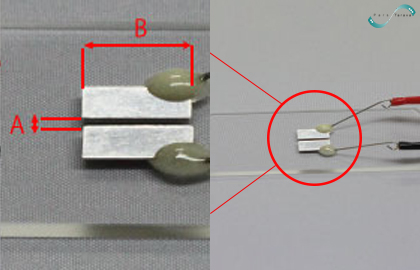
These electrodes are a specialized set of plate electrodes designed specifically for in-vivo electroporation of fertilized mouse zygotes. These electrodes are fully compatible with the Pars Tarava electroporation device and related systems, making them ideal tools for transferring genetic material into zygotes to induce genomic alterations. In this process, fertilized mouse zygotes are placed between two electrodes, and controlled electric pulses are applied, enabling the targeted molecules (such as plasmid DNA, RNA, or CRISPR/Cas9 ribonucleoprotein complexes) to enter the zygote. This method efficiently edits genes and produces genetically modified (transgenic) mice. This innovative method serves as an effective alternative to traditional microinjection, demonstrating high efficiency in gene editing and becoming a standard tool in the production of transgenic animal models.
,
Applications
.
The plate electrodes are primarily used in academic research within the genetic engineering and biotechnology fields. Researchers in molecular biology, genetics, tissue engineering, and life sciences, who work with animal models, use these electrodes to transfer genes or genome editors (such as CRISPR/Cas9) into fertilized mouse eggs. The result of this transfer is the targeted modification of the embryo’s genome, leading to the production of genetically modified mice for both basic and applied studies. These electrodes have been used to generate various transgenic mouse models, such as knockout mice or those with targeted point mutations. Beyond mice, according to the manufacturer’s reports, these electrodes can also be used for electroporating zygotes of other mammals, including rats, pigs, and cows, demonstrating the high versatility of this product across different animal models.
.
Advantages Over Other Methods
.
Electroporating zygotes with the Pars Tarava’s plate electrodes offers several advantages compared to traditional microinjection methods, as well as other needle or non-specialized electrodes:
.
– High Efficiency and Improved Embryo Viability:
Comparative studies have shown that the transfer of genomic editing complexes (e.g., CRISPR/Cas9 RNPs) through zygote electroporation achieves editing efficiency equal to or higher than microinjection, with better survival and growth rates of the treated embryos. In other words, this method increases the success rate of gene modification and the birth of healthy offspring.
.
– Minimally Invasive and Embryo-Compatible:
Unlike microinjection, which requires inserting a glass needle into the zygote and can cause physical damage to the delicate egg, electroporation does not require mechanical penetration. This results in less stress on the zygote, helping to preserve its health and significantly improving the chances of producing healthy, viable pups. Furthermore, the uniform electric field created by the plate electrodes ensures the even distribution of the target molecules across all zygotes in the solution.
.
– Simplicity, Speed, and High Operational Capacity:
Using these electrodes does not require complex microscopy equipment or microinjection skills. Zygotes can simply be placed in a small drop between the electrode plates, and appropriate pulses can be applied. Multiple zygotes can be electroporated simultaneously, significantly increasing the speed of producing genetically modified embryos. This feature is especially valuable for high-throughput research projects that require the manipulation of many embryos at once.
.
– Cost-Effective and Reliable:
The electrodes are made from high-quality platinum and have a robust design, allowing for repeated use. Unlike disposable electrodes or the need to constantly replace micro-pipettes in microinjection, these electrodes can be washed, sterilized, and reused after each use. Their reusability reduces laboratory costs, making this series of electrodes a cost-effective choice in the long term. Additionally, the platinum contact surface ensures stable electrical conductivity and resistance to corrosion when exposed to biological solutions, ensuring reliable electroporation results with each use.
.
Technical Specifications
.
- Electrode Design: The electrodes consist of two parallel conductive plates with a fixed gap. This plate design allows for easy placement of embryos in a small volume of culture medium between the plates and creates a uniform electric field.
- Electrode Material: Pure platinum, chosen for optimal electrical conductivity and high chemical resistance. Platinum electrodes are highly durable and easy to clean and disinfect.
- Gap Between Plates (Electrode Separation): Fixed at short gap is essential for generating a sufficiently intense field to penetrate large molecules into the zygote.
- Electrode Dimensions (Length): Available in two standard sizes. The appropriate length allows the user to select the sample volume per the number of zygotes.
- Device Compatibility: Direct connection to the Pars Tarava electroporation device and compatible models (including “Genome Editor” and “Genome Editor Plus”) is possible. This compatibility ensures that the electrodes are perfectly synchronized with pulse settings designed for genomic editing in zygotes.
.
In summary, these plate electrodes for in-vivo electroporation provide a modern, efficient, and reliable solution for researchers looking to facilitate the process of producing transgenic animal models and enhance efficiency and precision in genomic engineering. This product, with its optimized design for zygotes, compatibility with specialized devices, and numerous operational benefits, has become the ideal choice for molecular genetics and biotechnology laboratories.
,
For more information and to order the product, please visit the “Contact Us” section on the Pars Tarava website or call our technical support team at +98 902 405 1862.
,